
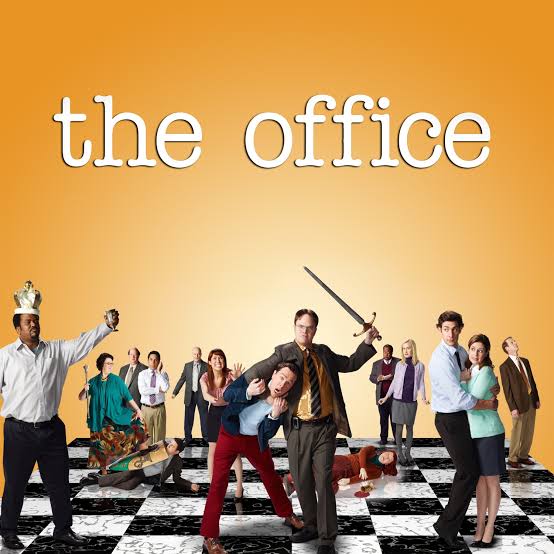
In a world obsessed with superhero blockbusters, billionaire origin stories, and viral “main character” moments, The Office (US) stands apart as the ultimate reminder that real heroes aren’t born in epic battles or on mountaintops. They’re forged in the fluorescent-lit trenches of cubicles, break rooms, and endless staff meetings. The show isn’t just about a paper company in Scranton, Pennsylvania. It’s a love letter to the mundane—the repetitive, often ridiculous routines of everyday work life—where ordinary, flawed human beings become heroes through small, stubborn acts of courage, kindness, loyalty, and growth.
The Mundane Arena: No Capes, Just Name Tags
Dunder Mifflin isn’t glamorous. No one is saving the world from aliens or hacking into mainframes. The biggest crises involve missing staplers, client complaints about paper quality, and Michael Scott accidentally scheduling a meeting during someone’s lunch. Yet it’s precisely in this boring, beige setting that true character reveals itself.
Michael Scott, the world’s worst boss, is also strangely heroic. He’s incompetent, inappropriate, and emotionally stunted, but he genuinely cares about his employees as family. In a cold corporate world that treats people as numbers, Michael’s ridiculous attempts to create joy—Dundies, Office Olympics, a fire drill that exposes everyone’s true nature—become acts of defiance. He’s the hero who refuses to let the soul-crushing grind win. His mantra “That’s what she said” might be juvenile, but his deeper need to make people feel seen is profoundly human.
Everyday Heroes in Small Victories
- Jim Halpert: The king of quiet rebellion. While others chase promotions or drama, Jim finds joy in the mundane by turning a dull sales job into something bearable with pranks and stolen glances at Pam. His real heroism? Choosing love and contentment over ambition. He could have become another corporate climber, but instead he builds a life with Pam, buys a house, and eventually steps up as a father and leader. In the mundane rhythm of 9-to-5, Jim teaches us that choosing presence over prestige is heroic.
- Pam Beesly: The receptionist who dreams bigger. She starts as the shy, artistic girl stuck answering phones, trapped in a going-nowhere engagement. Her heroism unfolds slowly: taking art classes, standing up for herself, pursuing her dreams while raising kids and navigating office politics. Pam doesn’t have a dramatic “I quit!” moment until she’s ready. Her strength is in persistence—showing up day after day, turning the ordinary into art (literally and figuratively).
- Dwight Schrute: The beet-farming, martial-arts-practicing assistant (to the) regional manager. He’s eccentric, overly competitive, and rules-obsessed. Yet when it counts—during the fire drill, protecting the office from chaos, or running the branch—he shows up with ridiculous dedication. Dwight’s heroism lies in his unwavering commitment to excellence, no matter how absurd the context. In a world of quiet quitters, he’s the guy who still gives 110% to selling paper.
- Stanley Hudson: The grumpy crossword-solving salesman who just wants to be left alone. His quiet dignity—refusing to play along with Michael’s nonsense while still getting his work done—is a form of everyday resistance. He represents the millions who endure the mundane with stoic grace and still provide for their families.
Even the side characters shine in their ordinariness: Oscar’s patient intelligence, Angela’s fierce (if misguided) principles, Kevin’s simple joy, Erin’s wide-eyed optimism. They’re not saving galaxies. They’re making it through another Tuesday.
Why the Mundane Breeds Real Heroes
The Office flips the script on modern culture’s obsession with “hustle porn” and overnight success. It shows that:
- Growth happens in repetition. Character isn’t built in one grand gesture. It’s built in showing up when you’d rather not, in choosing kindness during awkward meetings, in forgiving Michael for the 47th time.
- Community forms in the ordinary. Work friends become family not through dramatic shared trauma, but through shared boredom, inside jokes, and surviving bad bosses together.
- Heroism is often invisible. The camera crew captures what society usually ignores: the quiet integrity of doing your job well, loving imperfect people, and finding meaning in the middle of mediocrity.
In the finale, when the characters look back on their years at Dunder Mifflin, they don’t remember the big sales or promotions. They remember the pranks, the parties, the relationships—the mundane moments that made them who they are.
The Deeper Truth for 2026
Today, with remote work, AI tools, and endless scrolling making everything feel even more disconnected, The Office feels more relevant than ever. It reminds us that heroes aren’t the influencers with perfect lives or the CEOs on podcasts. They’re the people who turn a soul-draining office job into a place of laughter, growth, and connection.
The mundane isn’t the enemy. It’s the training ground.
Real heroes don’t escape the ordinary—they transform it. They make the paper company bearable. They turn fluorescent lights and recycled air into the backdrop of lifelong friendships and personal evolution.
So next time you’re stuck in another pointless meeting, remember: this is where heroes are made. Not with superpowers, but with a smirk, a kind word, a ridiculous idea, or simply showing up again tomorrow.
Because in the end, the office isn’t just where we work.
It’s where we become.