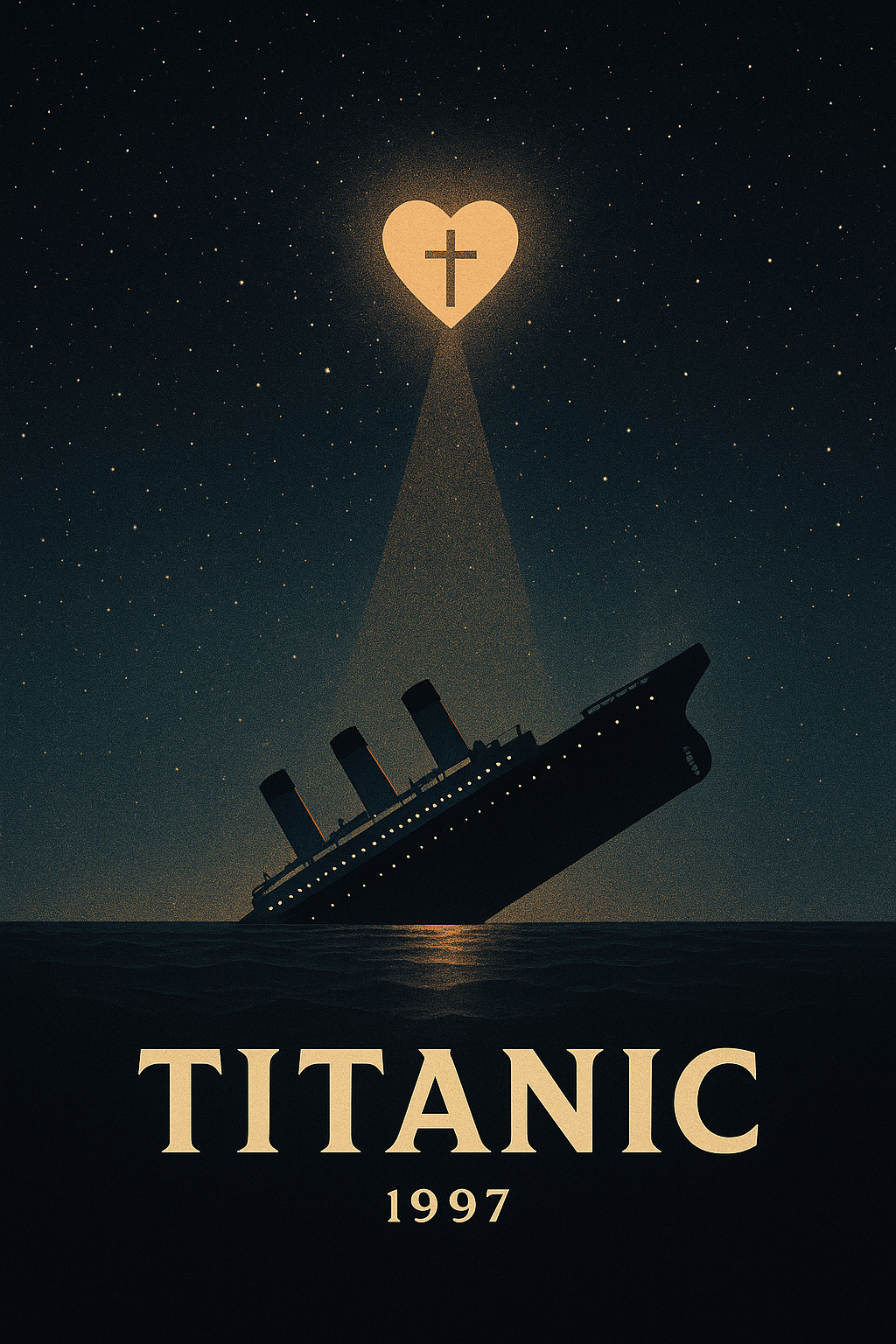
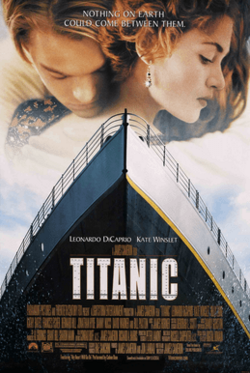
James Cameron’s 1997 film Titanic stands at the utmost regard by the OFZ team due to its powerful spiritually-based symbolism.
Let me explain:
It is the story of love and loss, but beneath its grand historical surface lies a spiritual blueprint for humanity itself: the union of the Lamb and the Bride at the moment of destruction.
The Lamb and the Bride at the End of the World
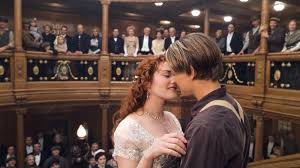
When I first saw Titanic at the age of 4, I instantly fell in love with it. It has carried that place of being my favorite film at varying degrees throughout the years. Lately, I’ve gained a new perspective on why it hit me so powerfully that first time I saw it. This is my reading of the film: Jack and Rose are not merely lovers — they are Biblical archetypes from the Book of Revelation.
Jack is the Lamb: pure, selfless, poor in spirit yet rich in soul. He lives outside the system, uncorrupted by its power or pride, similar to the depiction of Christ. Rose is the Bride: trapped within the upper world, gilded yet suffocating, longing for freedom. Their meeting is the collision of heaven and earth — grace entering into humility.
Through this framing, Titanic can be read as more than a romance film. It certainly feels like more to me.
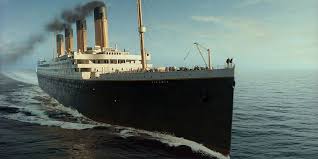
For when the world’s greatest ship — symbol of humanity’s pride, industry, and hierarchy — sets sail, it carries within it the seeds of its own fall. Titanic is not simply a tragedy; it is the apocalypse in miniature, where the old world collapses and love alone survives.
The Fall of the Modern World
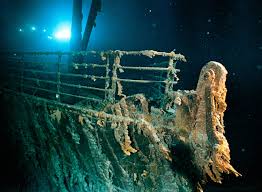
Cameron’s ship is civilization at its peak — a floating Babel of class divisions and technological triumph. It is a temple of progress, worshipping its own creation.
And yet, the iceberg — the divine interruption — ends that illusion in one strike.
The unsinkable sinks.
The powerful die first.
And in the freezing waters, all are made equal.
That moment is the mirror of the end times described in Revelation: the proud brought low, the humble exalted, the false paradise shattered.
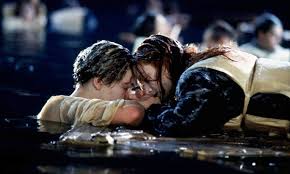
In this cold ocean, the spiritual truth surfaces — the Lamb gives his life, and the Bride awakens.
The Death and Resurrection of Love
When Jack gives up his place on the board for Rose, he embodies Christ. He descends into death so that she may live.
But the story does not end in despair — because Titanic is not about loss; it is about transmission. Rose remembers. She carries the love forward into a new world, bearing witness to the one who saved her.
That is the final image: the Bride ascending, awakened by love, returning to the eternal ship in her dream — reunited with the Lamb in the afterlife.
It is the wedding of heaven and earth.
The New Jerusalem at sea.
A Prophecy for Our Time
When Titanic premiered in 1997, few saw it as prophecy. But today, in an age where technology again promises salvation and class divides grow deeper, its message feels more urgent than ever.
Our civilization, like the great ship, sails faster and prouder than ever — yet the iceberg is already ahead.
And the only thing that will survive the wreck is what was born in love.
Jack and Rose live in all of us — the divine and the human, the heavenly and the earthly.
Their union is the way forward.
It is the message at the heart of and behind the vision of Open Film Zone: that true art — like true love — transcends hierarchy, fame, and fear.
Thank You to the “Filmmaker“
Titanic holds the mirror to our world and says: This is what will pass away, and this is what will remain.
At the end of the times, what should be remembered, what really matters… it’s not hierarchies… not rules… but love. Love is the key to everything.
Cameron’s genius was in showing that eternity is not built in steel or fame.
It lives in the soul that loves, gives, and remembers.
The ship sinks,
the world ends,
but the Bride awakens.
And love lives on.